Project Name: Datta Vihara
Authors: Karan Darda Architects
CITATION
Religious buildings, while omnipresent in a context like India, present critical challenges for design owing to their association with iconography, tradition and lore. Modest urban shrines and temples are inseparably woven into our urban fabric, often blurring the lines between the sacred and the everyday. However, this small project pushes the boundary further by reinterpreting key elements and spatial demands of a temple, placing significance on the social role of a sacred space.
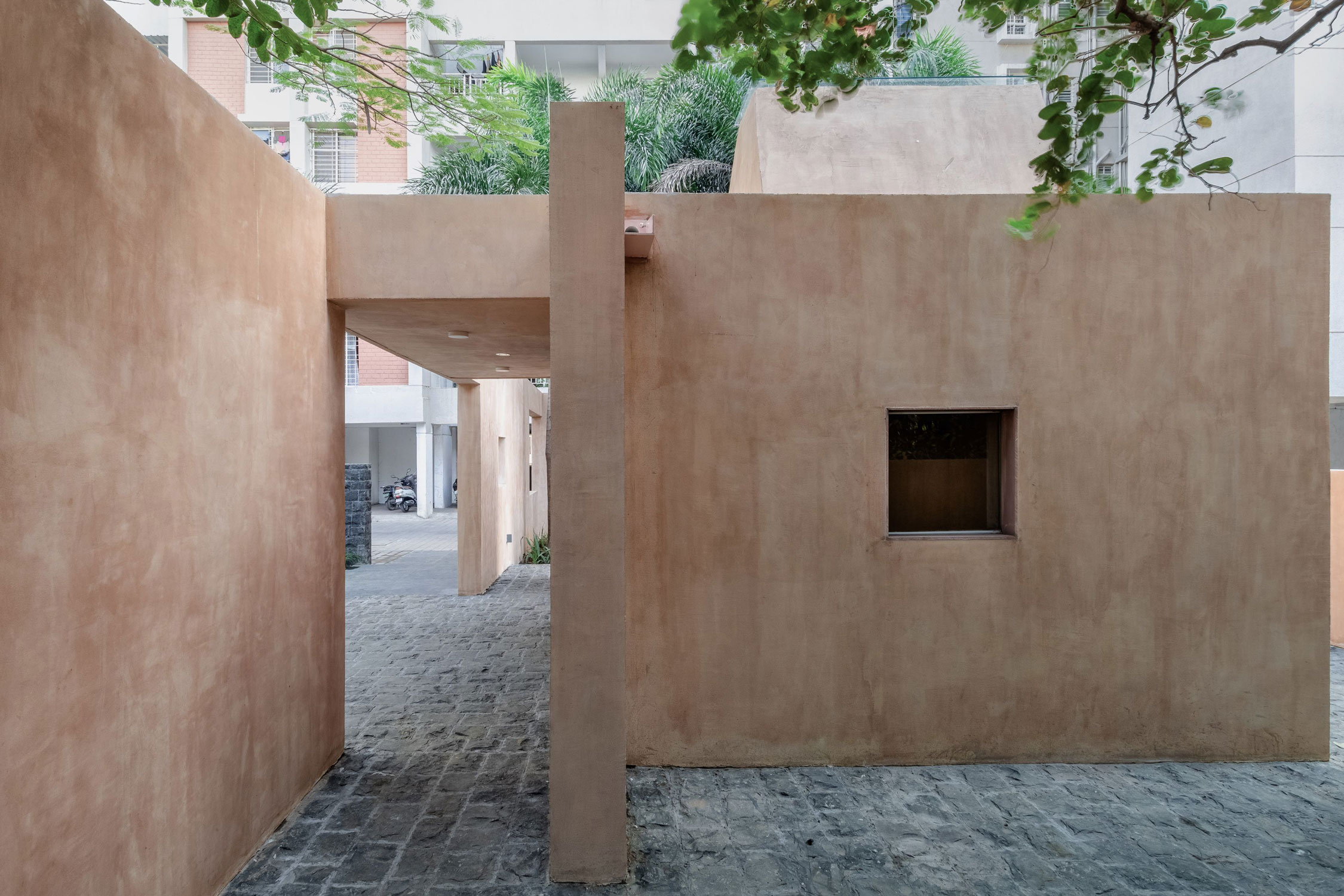
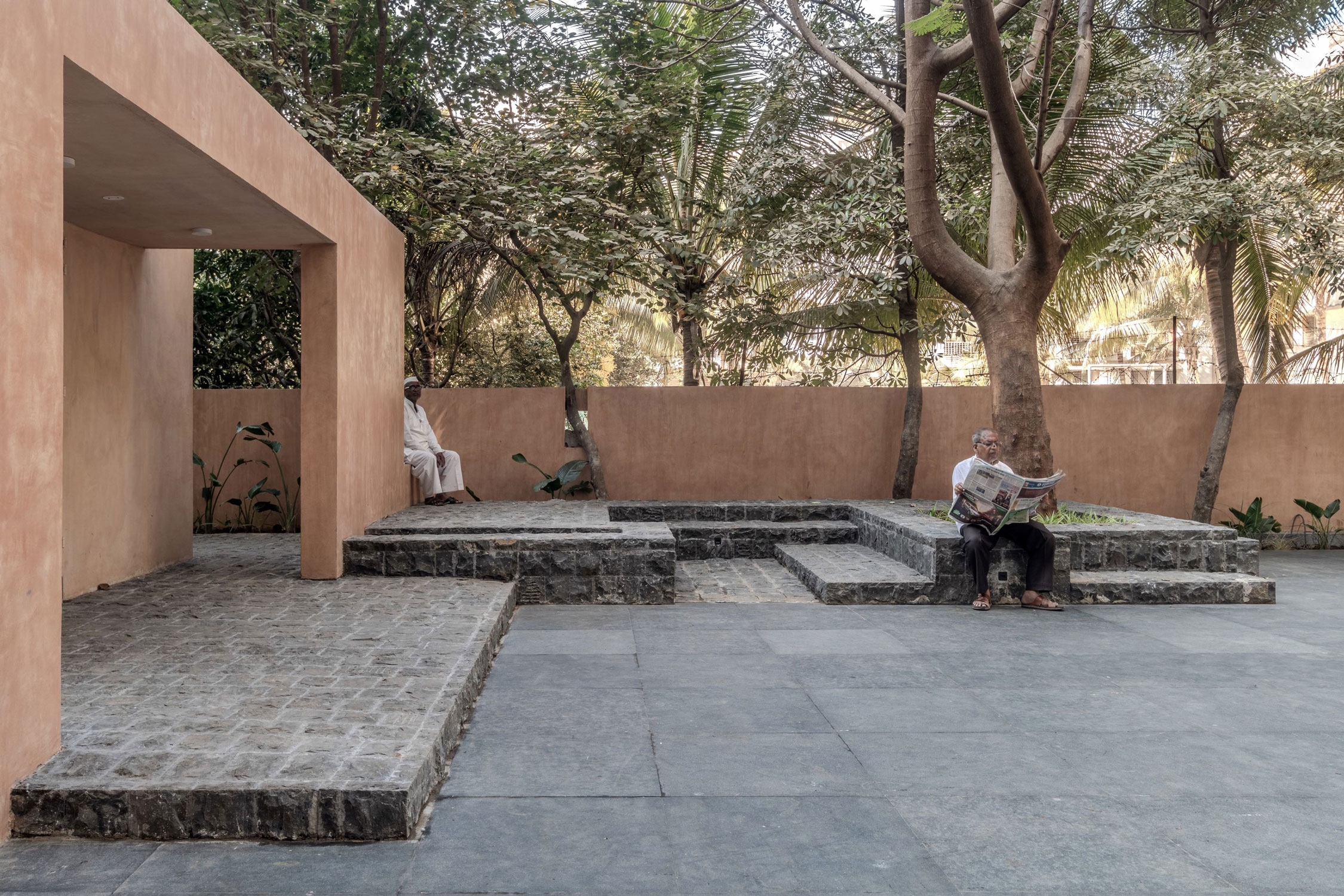
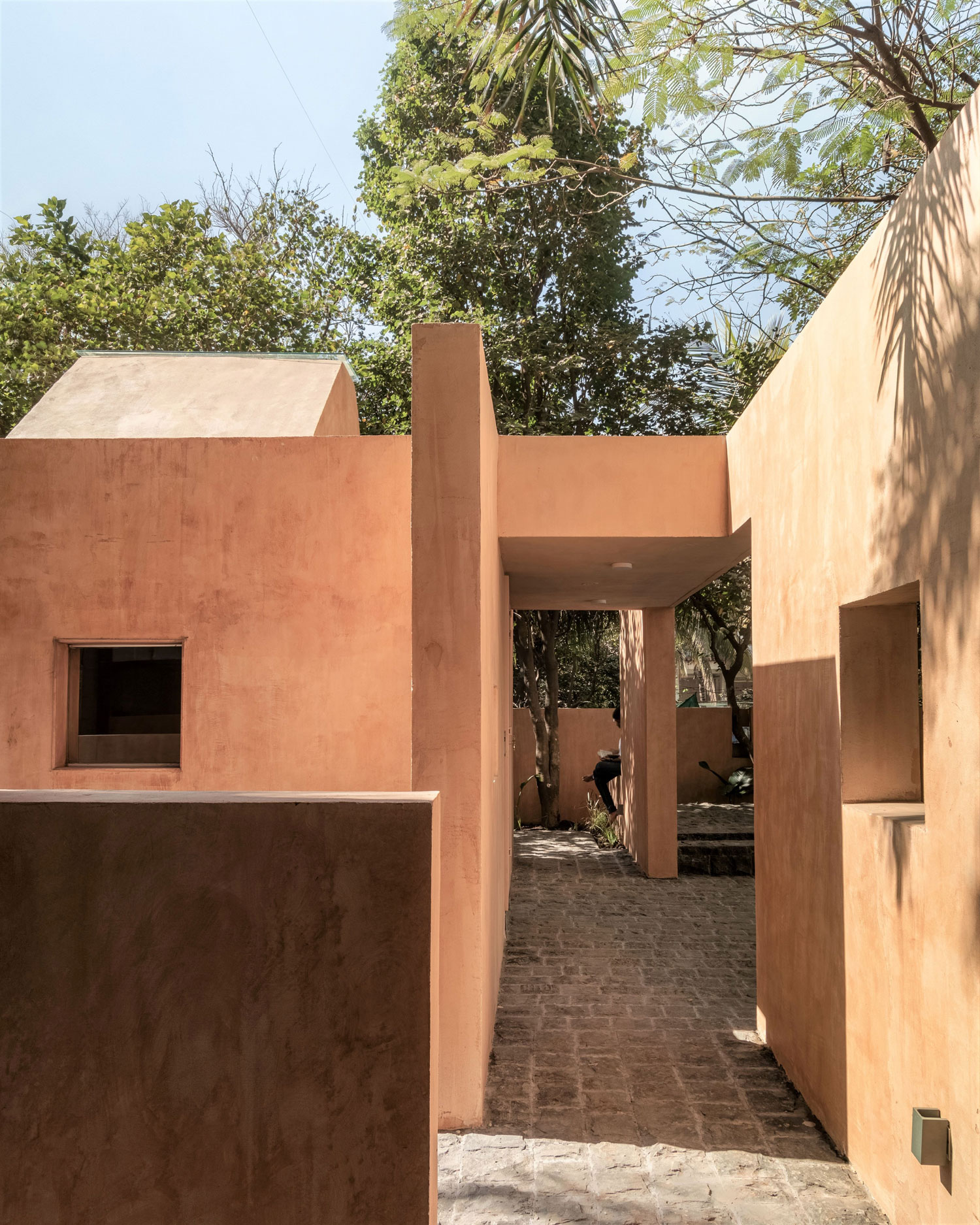
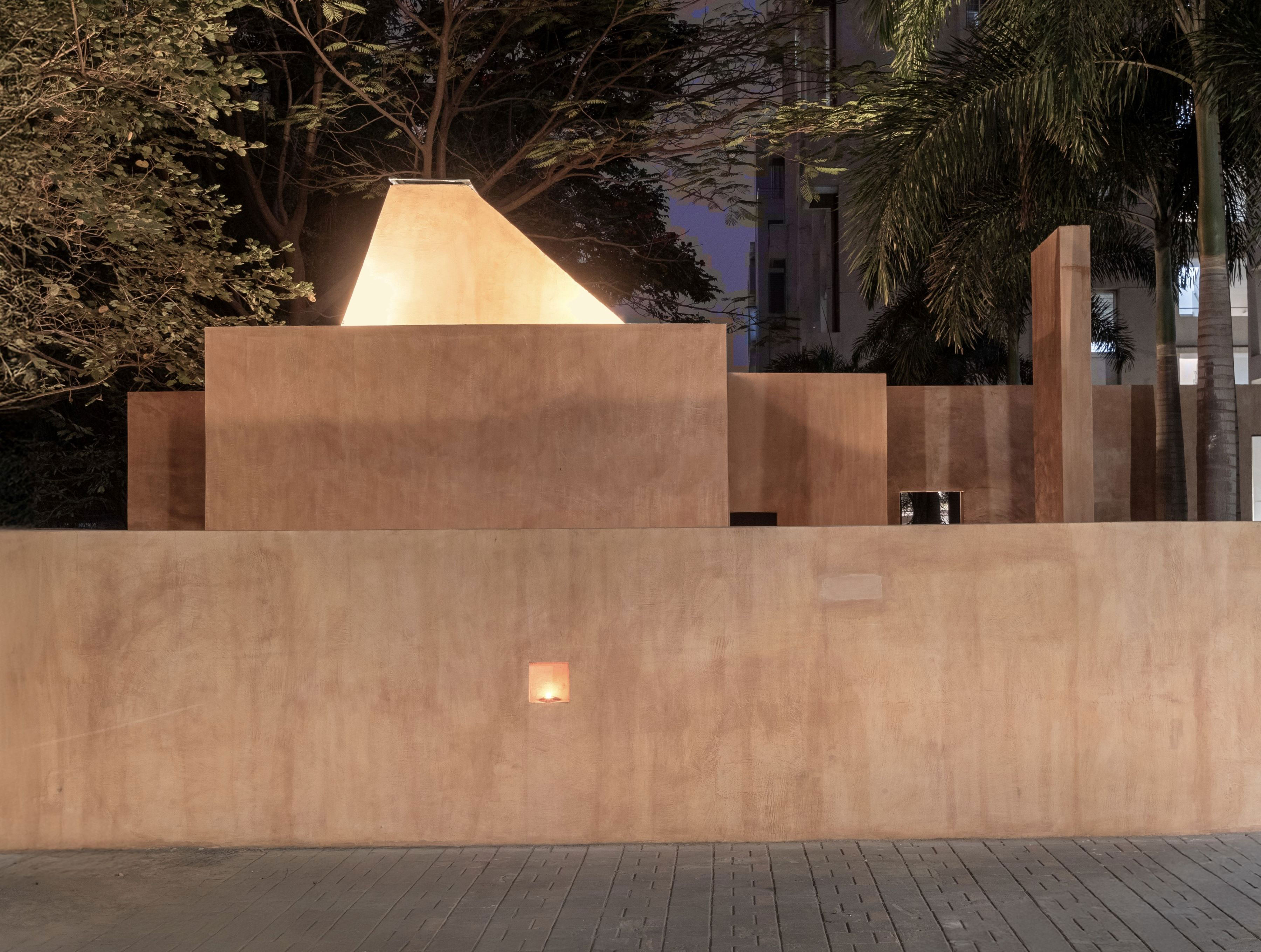
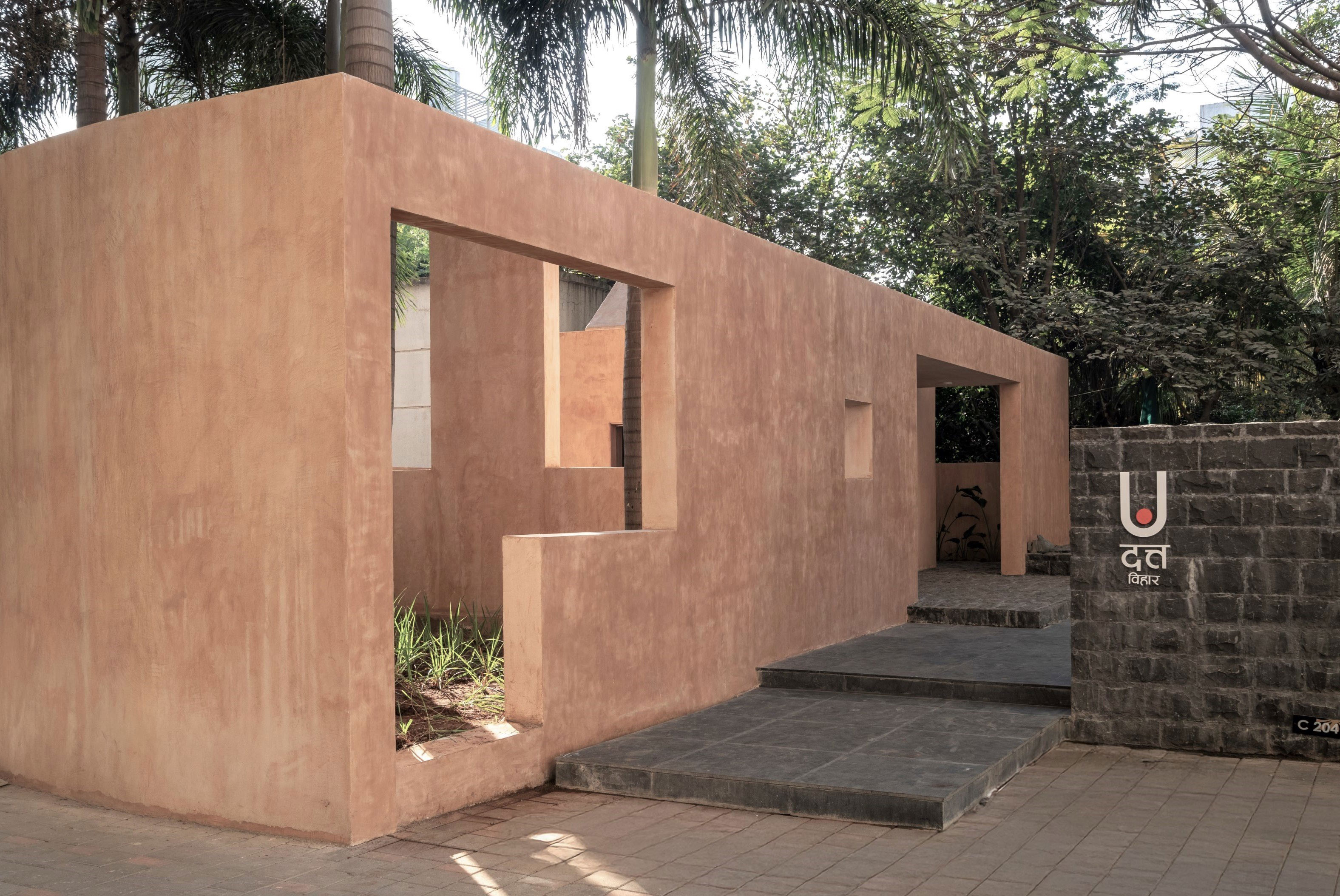
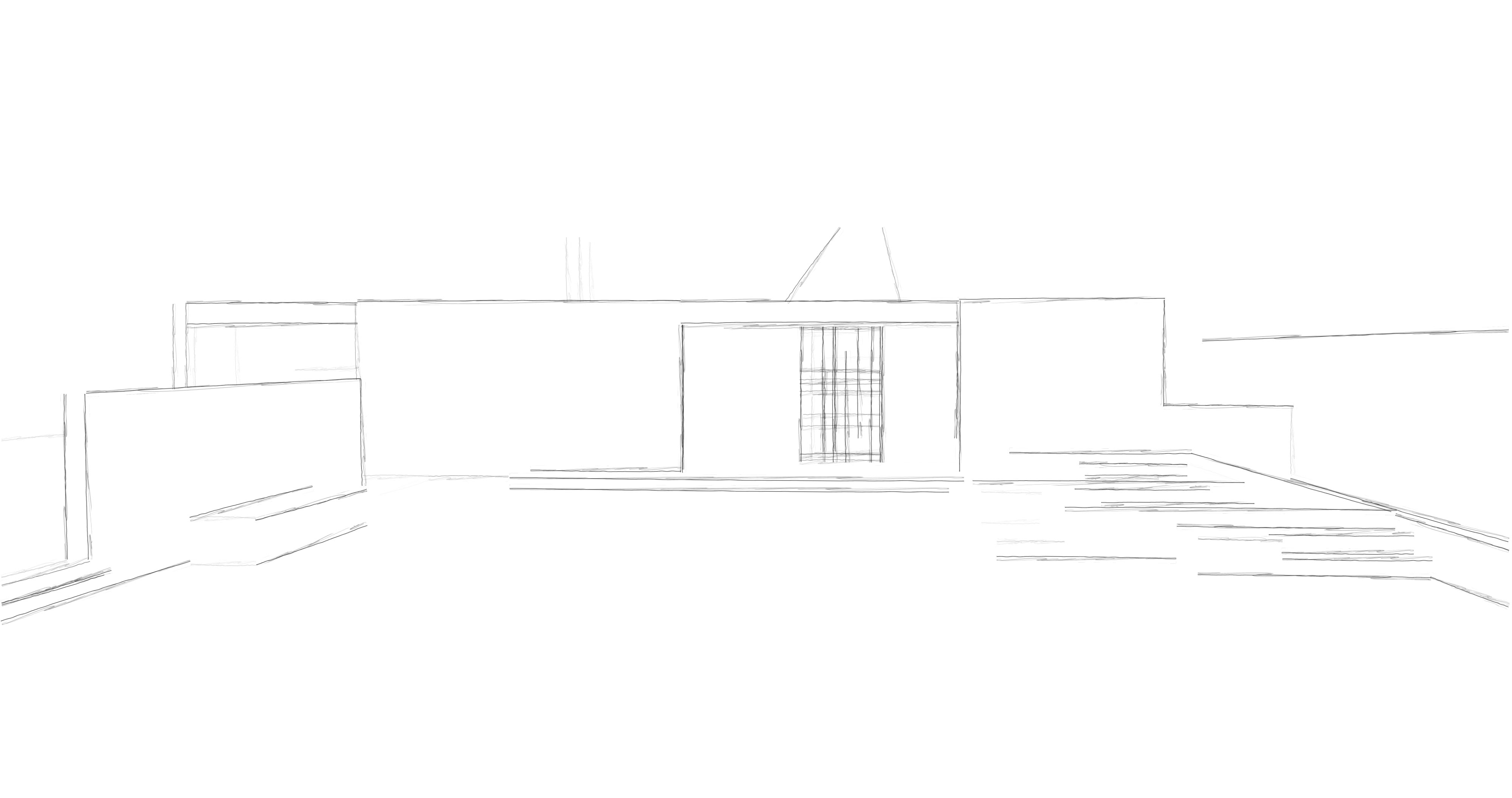
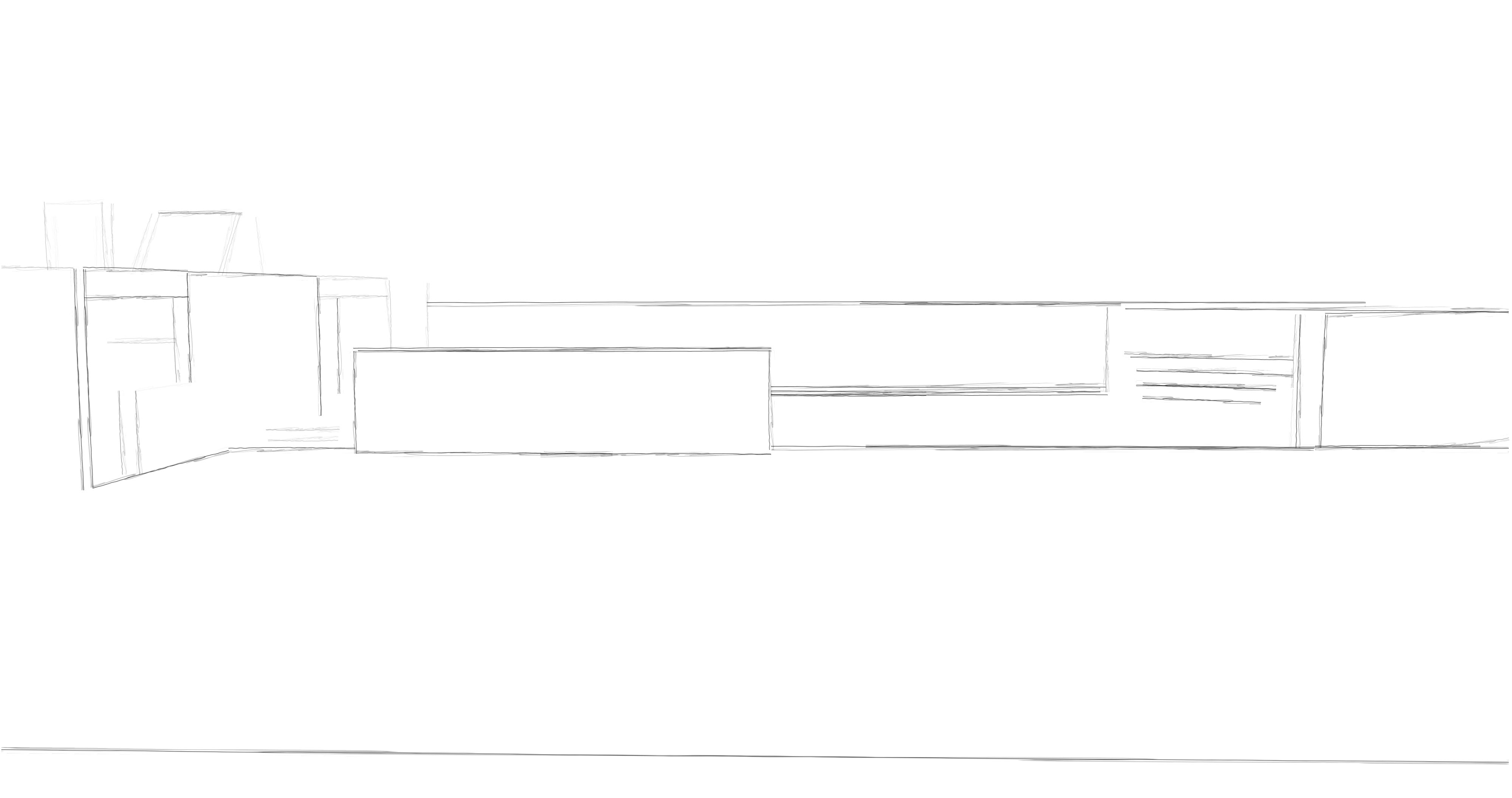
Designed as a material monolith, the project establishes a ritualistic circulation in the plan, wrapping the sanctum in layers of walls and using punctures to reveal strategic parts of the core. The design establishes a connection to the footpath while concealing the community space where people may gather to meet and find moments of seclusion and rest. By privileging this space, the architects propose a gentler, secular space; a humane and unimposing place of worship.
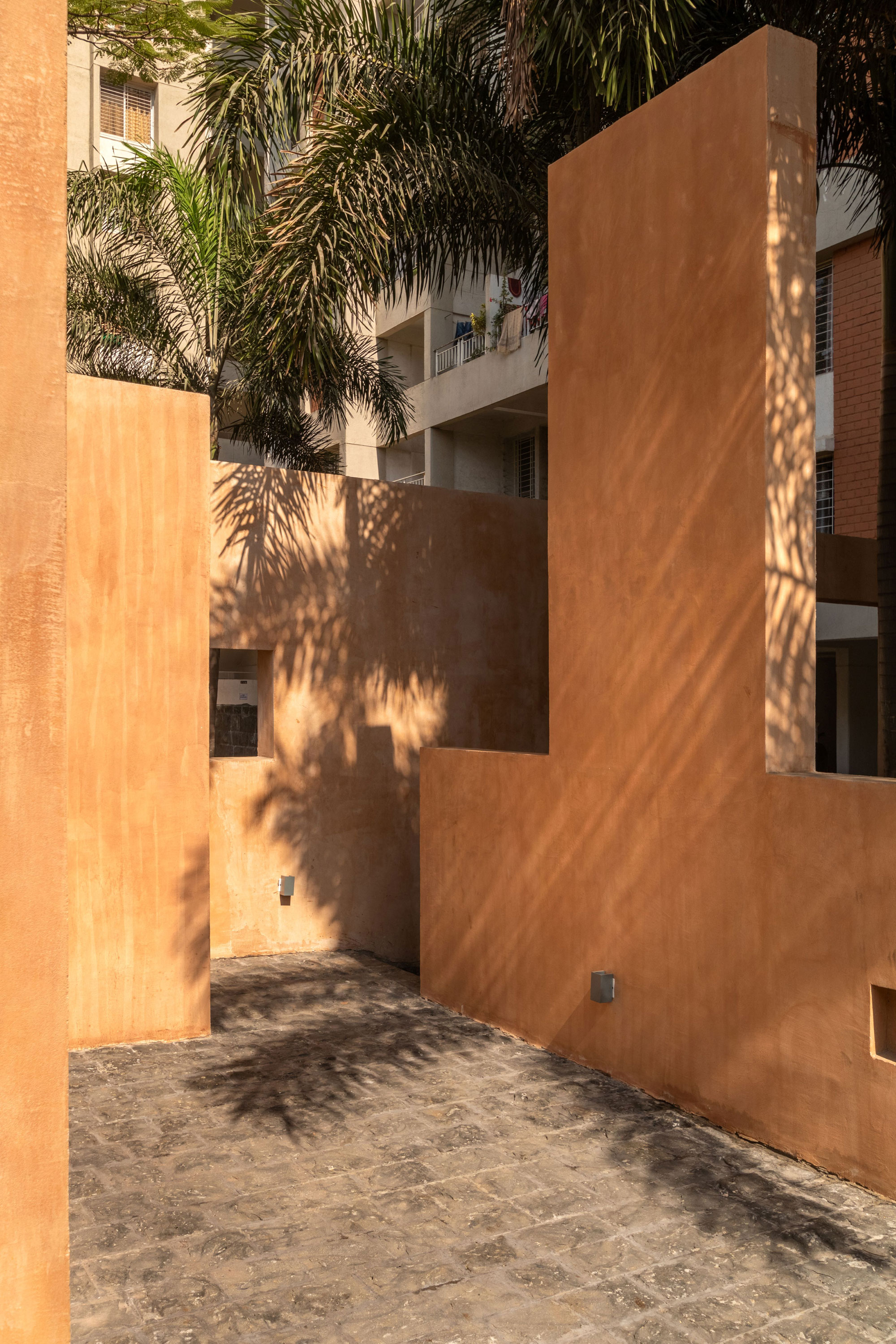
By focusing on experience and associations, the design enables a meditative space progressively dissociating the visitor from the busy urban setting. The restrained use of materials and absence of ornament foregrounds the use of the tactile walls and floors as embellishments – the surface as the ornament. The abstraction of the Mandapa and Garbhagriha in the plan draws from and modifies the mythical plan.
Articulated for an open, inclusive and quiet urban space, the temple deviates from the imposing, iconoclastic vocabulary in favour of a more social role. In this process, the design makes way for new materials, spatial ideas and connections, all the while keeping the sense of the sacred and the ritualistic in place, and therefore, Datta Vihara by Karan Darda Architects is awarded a Citation in The Merit List.






Drawings: courtesy Karan Darda Architects
Images: ©Abhishek Chavan; Karan Darda Architects
 THE MERIT LIST