
The Merit List [TML] is an initiative by Matter and supported by Takshila Educational Society to recognise projects of critical relevance in terms of design and thought in the context of contemporary architecture in India.
CITATIONS 2024-25

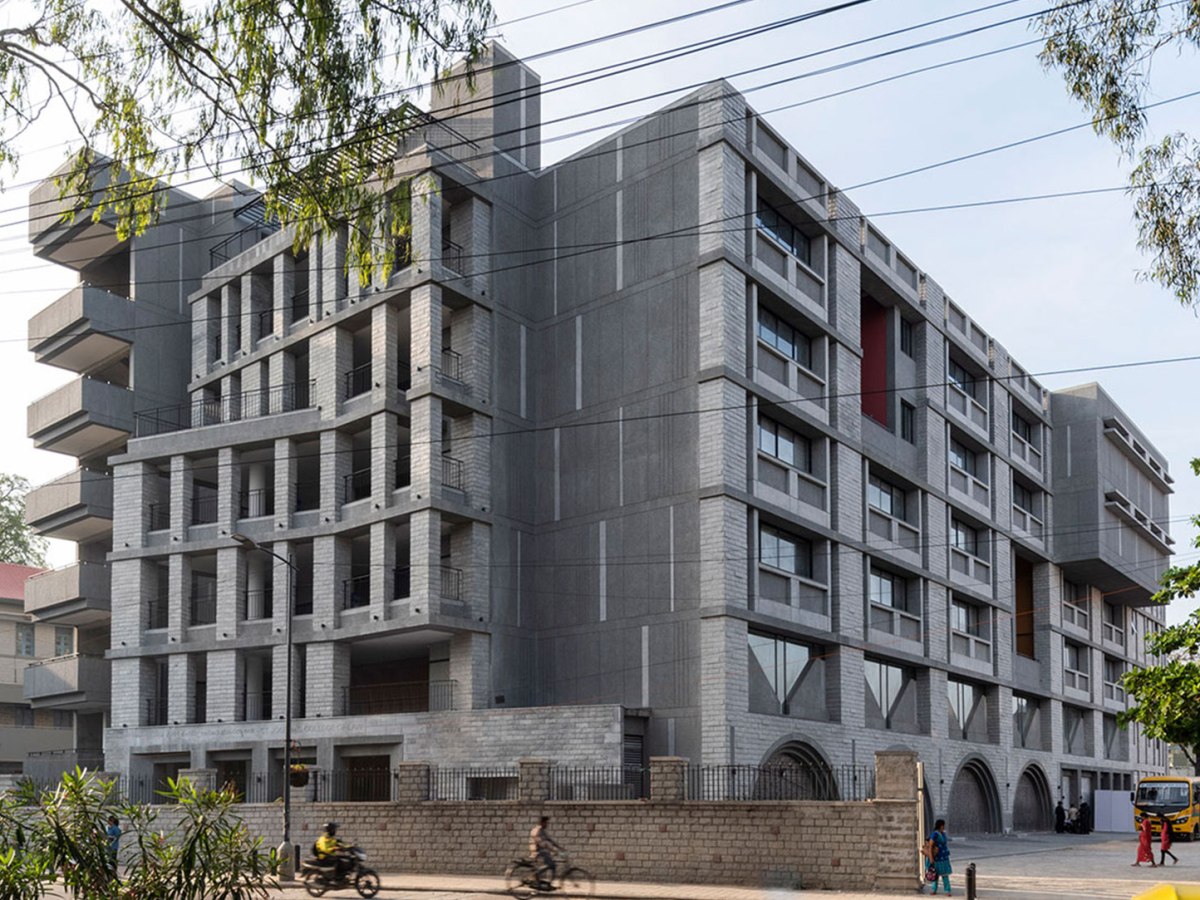


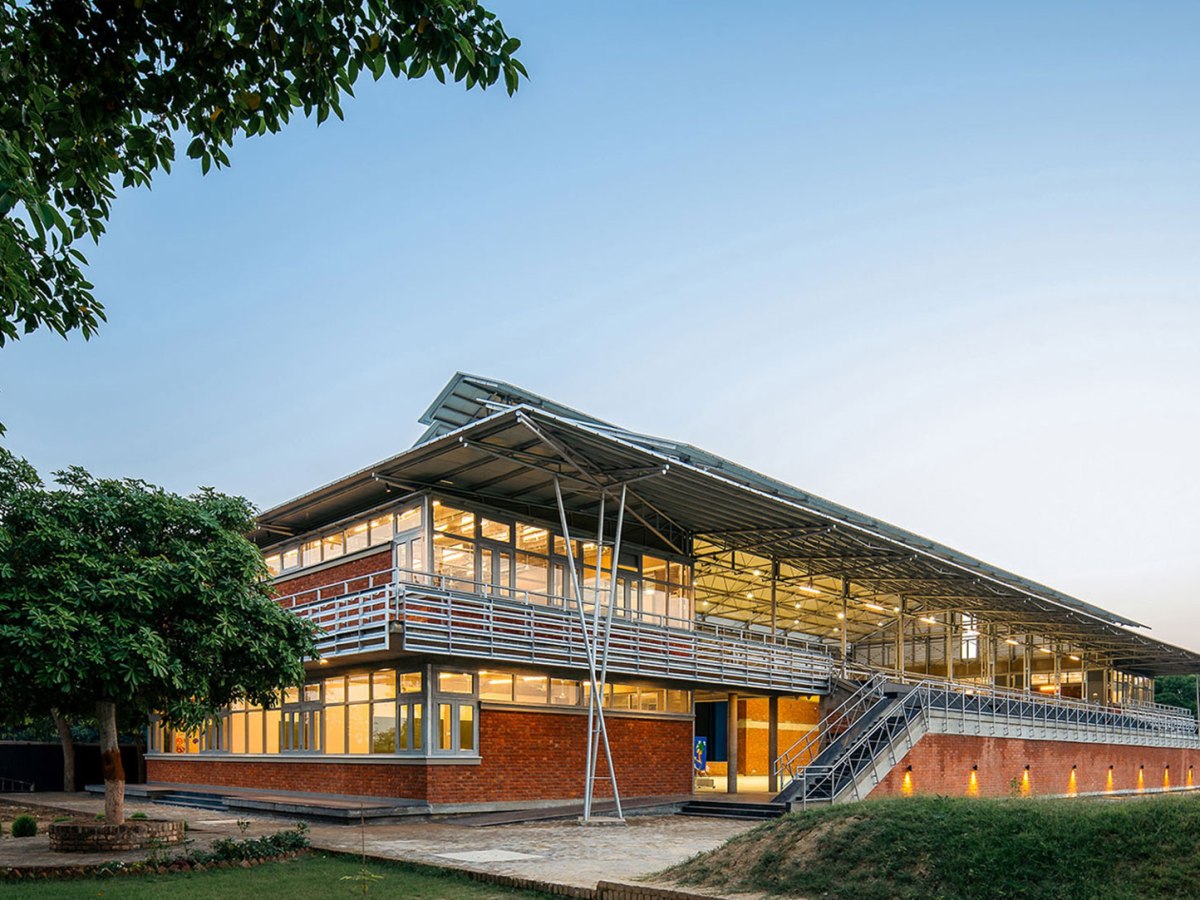

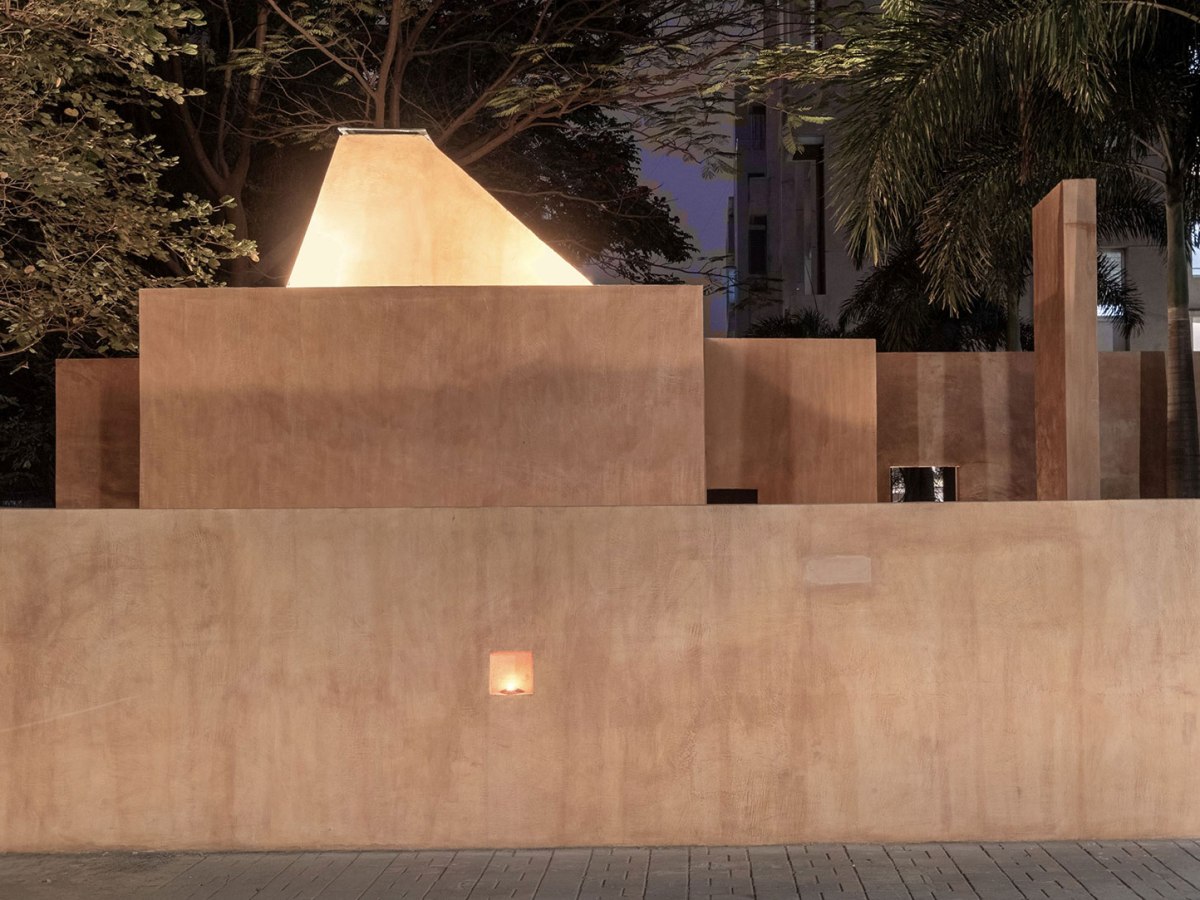

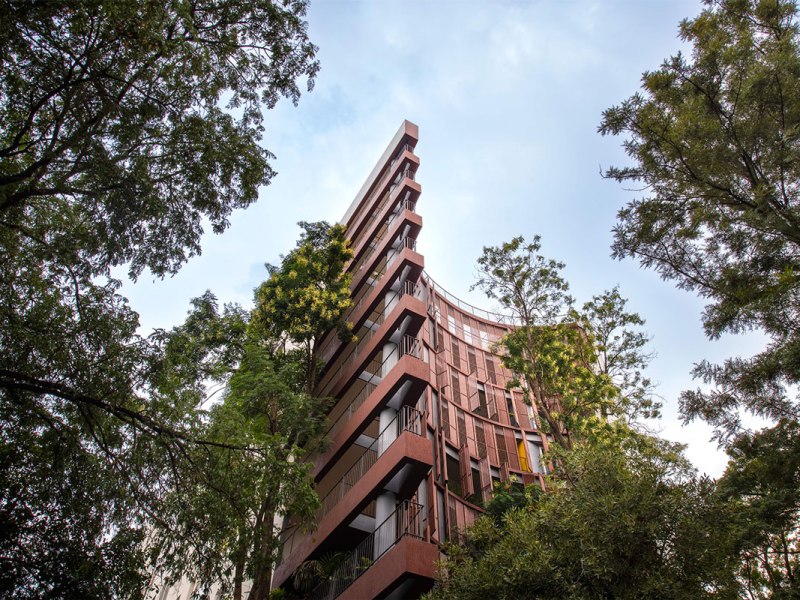


About
Context
The TML process seeks to institute a line of inquiry that traverses typology to make place for exceptional ideas in design irrespective of typology and scale. With intent to evaluate each project in its own context and judge the merit of each against the programme it deals with, The Merit List intends to outline critical discussion as a reflection on the state of affairs in contemporary architecture.
BE CRITICAL
BE RIGOROUS
BE SELECTIVE
The Jury
2024-25

Pinkish Shah
S+PS Architects

Shubhra Raje
shubhra raje_built environments

Andrea Anastasio
Artist, Designer, Writer

Sriram Ganapathi
KSM Architecture
RUBRICS
Outline

The List
Projects are products of context. The premise of a list rather than a ranking system is to view projects as critical readings that represent desirable values and concerns in contemporary architecture in India. Irrespective of typology, scale, and divest of ranking, these works are celebrated as examples of excellence and rigour to address the complexities and spatial opportunities of the landscape of India.

The Takshila Lecture
The Takshila Lecture on Architecture and Society is delivered by an eminent professional / academician that addresses the realities of our social, cultural and economic contexts. The lecture and the following dialogue aims to challenge the status-quo with a conviction that an open and honest conversation on the state of practice will instigate positive change.

Valediction
Authors of the projects selected in The Merit List receive a citation letter, a personal and memento, and a curators’ note as a record of the recognition. All recipients are invited to participate in a Valediction Ceremony planned every cycle. The formerValediction Ceremonies were held at Frame Conclave, Goa; ATMA, Ahmedabad and BIC, Bengaluru.

Publication
At the conclusion of each cycle, an annual publication of The Merit List publication is released as a chronicle. The book records the Citations and Commendations in detail along with select project data reproduced in a compilation as well as a glimpse into the previous cycles of the initiative. These connections allow the reading of further resources on each project.
 THE MERIT LIST